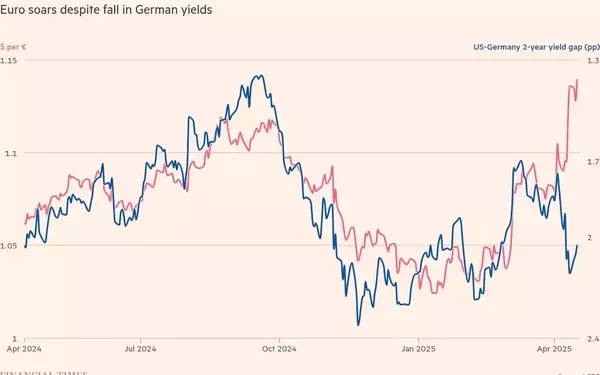
Investor sentiment was influenced by a combination of tariff concerns and presidential criticism directed at the Federal Reserve Chair. The yield on the 10-year Treasury note increased significantly, while shorter-term yields saw a decline. President Trump's public critique of Jerome Powell intensified, raising questions about central bank independence and its impact on broader financial markets. This tension led to fluctuations in stock prices, a strengthening dollar, and record-high gold values.
Economic experts highlighted the potential implications of this political pressure on monetary policy and inflation control. With Powell expressing worries over economic growth due to tariffs, the stage is set for further scrutiny of the Fed’s role amid shifting global market conditions.
Federal Reserve Under Scrutiny
Amid escalating rhetoric from the White House, the Federal Reserve faces mounting pressure regarding its monetary policies. As the president openly criticized the Fed chair, investors began questioning the autonomy of the central bank. This situation has prompted discussions about how such external influences might affect inflation targets and long-term fiscal stability.
In recent days, President Trump voiced his dissatisfaction with Jerome Powell's leadership style, particularly concerning interest rate adjustments. He suggested that rates should be reduced immediately based on current economic indicators. Such statements created uncertainty within financial circles as they hinted at possible interference in traditionally independent decision-making processes. Additionally, administration officials explored legal avenues for dismissing the Fed chair, adding another layer of complexity to an already tense environment.
Market Reactions to Political Tensions
Beyond verbal sparring, these developments triggered noticeable reactions across various asset classes. Bond yields adjusted according to investor perceptions of risk, reflecting heightened anxiety over future monetary policy directions. Equities experienced sell-offs, signaling diminished confidence among traders who feared potential disruptions caused by non-traditional interventions.
The U.S. dollar strengthened substantially, reaching levels last seen several years ago. Meanwhile, precious metals like gold surged dramatically, breaking historical records above $3,400 per ounce. Analysts attributed these movements partly to growing concerns about sustained price increases and their effect on safe-haven investments globally. Furthermore, Powell's acknowledgment of challenges posed by trade policies added depth to debates surrounding balancing inflation control with promoting sustainable economic expansion amidst geopolitical uncertainties.