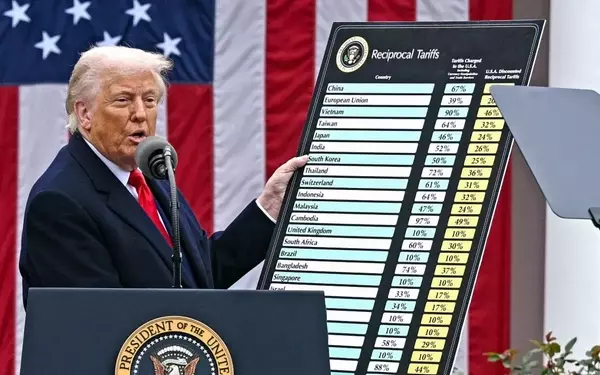
In the opening months of 2025, the financial landscape was marked by fluctuations in U.S. Treasury yields and municipal bond markets. Initially driven higher by anticipation surrounding Donald Trump's inauguration and expectations of increased government spending, Treasury yields later declined due to weaker economic indicators and the introduction of tariffs in early April. Simultaneously, municipal bonds were influenced more by political developments, particularly discussions around potential taxation. As economic slowdown became evident through various metrics such as inflation rates, job offerings, and housing sales, concerns grew regarding their impact on both Treasury and muni bond performance.
A Closer Look at the Economic Shifts Impacting Bond Markets
During the golden hues of early spring in 2025, the United States experienced a series of shifts in its financial markets. The initial rise in Treasury yields was fueled by optimism surrounding new governmental policies expected to boost spending and possibly lead to heightened inflation. However, this sentiment soon waned as economic data pointed towards a deceleration. Indicators such as moderated inflation figures, elevated credit card delinquencies, reduced job turnover rates, and slower job openings all suggested an economy losing momentum. Furthermore, federal government layoffs added to unemployment concerns, influencing market anticipations.
Municipal bonds faced unique challenges, less from economic signals than from political discourse. Following a quiet start with limited issuance, supply gradually increased throughout the quarter. Yet, murmurs in Washington about taxing municipal bonds as a means to raise revenue significantly impacted the market. These discussions not only affected absolute yields but also altered yield ratios, reflecting investor unease. Despite these pressures, munis found some respite when tariff discussions took center stage, diverting attention from potential tax changes. Nevertheless, market volatility remained a constant companion, occasionally pushing yields upward.
From a journalistic perspective, it is clear that ongoing tariff negotiations will continue to shape bond markets in the near future. Should the economy slip into a recession, the implications for municipal credit quality could be profound, affecting income taxes, sales taxes, and other revenues. This underscores the importance of maintaining high credit standards during uncertain times. For investors and policymakers alike, navigating these complexities requires vigilance and adaptability, ensuring sound decisions amidst shifting economic tides.