Discover How Global Policy Changes Are Reshaping Financial Markets
Policy Fluctuations Impacting Market Stability
The unpredictable nature of policy shifts has introduced a new level of uncertainty into financial markets. In recent weeks, the U.S. has witnessed a series of adjustments in trade tariffs that have sent ripples through various sectors. The White House's tariff policy, marked by delays and exemptions, has left investors on edge. Stocks initially rallied following a partial rollback of tariffs, but this optimism was short-lived as the dollar weakened and tech stocks faltered.
Broadcom, Nvidia, and Palantir were among the notable decliners, signaling broader concerns within the tech industry. The day-to-day changes in tariff policy have created an environment where investors struggle to anticipate market movements. Commerce Secretary Howard Lutnick’s comments on CNBC provided some clarity, suggesting that the one-month tariff reprieve might extend beyond automakers to include all USMCA-compliant goods and services. This potential extension offers hope for sectors affected by the initial tariff announcements.
International Responses to Tariff Policies
The impact of tariff policies extends far beyond the borders of the United States. Canada, under Prime Minister Justin Trudeau, is actively engaging with U.S. officials to mitigate the effects of tariffs on key industries. Discussions between the two nations aim to ease the burden on sectors hit hardest by the trade measures. The collaboration highlights the interconnectedness of economies and the importance of diplomatic efforts in stabilizing markets.
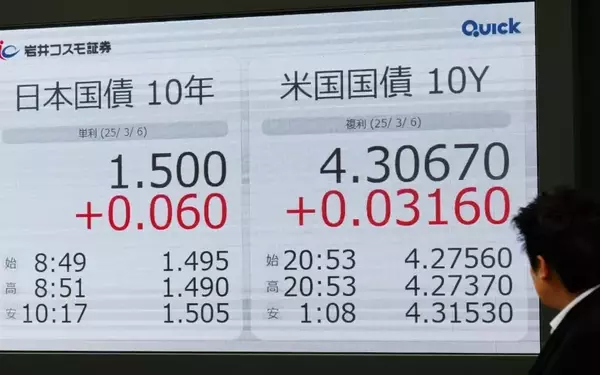
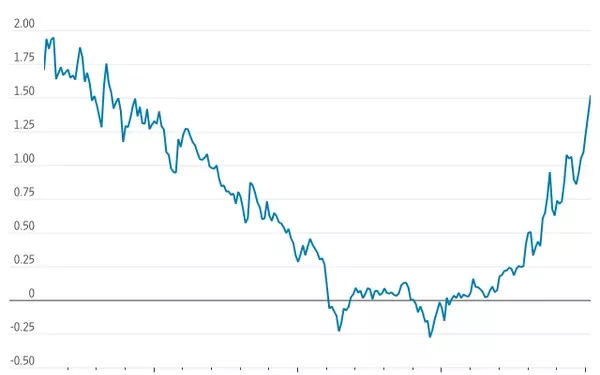
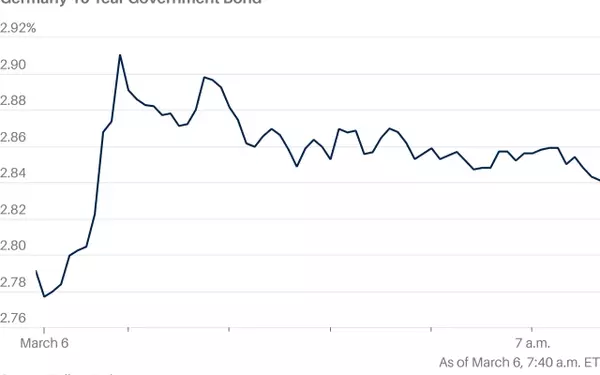
Meanwhile, overseas markets have also felt the reverberations of these policy shifts. Germany’s plans for increased spending have led to a surge in bond yields, marking a historic moment in European financial history. Japanese long-term yields reached their highest levels since 2009, reflecting the global nature of market responses. These developments underscore the interconnectedness of global economies and the far-reaching consequences of policy decisions made by individual governments.
Market Performance Amid Policy Uncertainty
Recent market activity paints a picture of mixed outcomes. Major stock indexes have seen declines, with the Dow Jones Industrial Average experiencing a slight drop while the S&P 500 and Nasdaq Composite each fell by more than 0.5%. Despite these setbacks, there are pockets of resilience. For instance, Asian markets have largely risen, with Hong Kong’s Hang Seng Index surging by 3.3%, driven by gains in Chinese tech stocks. This divergence in performance highlights the complexity of global market dynamics.
U.S. Treasury yields have ticked higher, continuing a three-session upward trend. Bitcoin, the cryptocurrency, traded around $91,000, showcasing the varied reactions across different asset classes. The overall market sentiment remains cautious, with investors closely monitoring policy developments for any signs of stability or further disruption. As policymakers navigate these challenges, the financial community looks to emerging trends for guidance on future market behavior.
Investor Sentiment and Strategic Planning
The current climate of uncertainty requires investors to adopt a strategic approach. Day-to-day changes in government policy have heightened the need for flexibility and adaptability in investment strategies. Investors are increasingly focused on understanding the underlying factors driving market fluctuations, from geopolitical events to economic indicators. By staying informed and adjusting portfolios accordingly, investors can better position themselves to weather the volatility.
Furthermore, the role of diversification cannot be overstated. A well-diversified portfolio can provide a buffer against market downturns, ensuring that losses in one sector are offset by gains in another. As global policy continues to evolve, investors must remain vigilant and prepared to respond to changing conditions. The ability to anticipate and adapt to policy shifts will be crucial in navigating the complexities of today’s financial landscape.