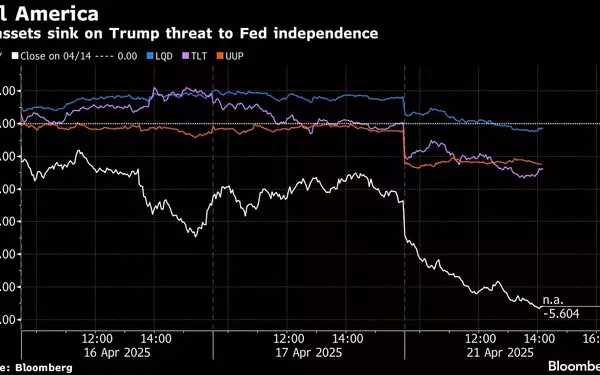
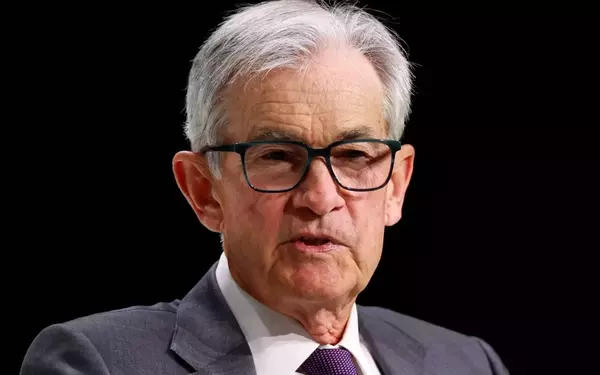
In a recent development, President Trump has reignited his critique against Federal Reserve Chair Jerome Powell, advocating for reduced interest rates. This move could have significant repercussions for individuals holding U.S. Treasury bonds. Analysts and financial experts are evaluating the potential impacts of this stance on both national and international markets.
On April 21st, 2025, President Trump publicly expressed dissatisfaction with the current monetary policies enforced by the Federal Reserve. His call for lower interest rates stems from a belief that such measures would bolster economic growth and reduce the cost of borrowing for consumers and businesses alike. Financial expert Paul Hood elaborates on these dynamics, shedding light on how shifts in interest rates can influence bond values and yields.
Lower interest rates typically result in decreased returns for bond investors. When rates drop, new bonds issued tend to offer lower yields, making existing bonds with higher rates more valuable. However, this scenario can lead to increased volatility in the bond market, as investors may react by selling or purchasing bonds based on anticipated rate changes.
This situation places bondholders in a precarious position, as they must weigh the risks of maintaining their current investments versus exploring alternative options. The uncertainty surrounding the Federal Reserve's future actions adds another layer of complexity to their decision-making process.
The ongoing dialogue between the President and the Federal Reserve highlights the delicate balance between political influence and independent monetary policy decisions. As discussions continue, all eyes remain on how these developments will shape the financial landscape for American investors and the broader economy.