Unlock Your Portfolio's Potential with Smart Bond Strategies
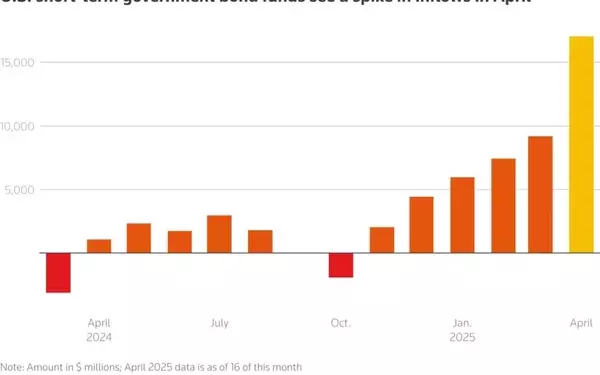
In today’s economic climate, where uncertainty looms large, investors are reevaluating their strategies. Rising yields on bonds present a compelling case for those seeking stable returns. By constructing a carefully planned bond ladder, individuals can capitalize on current market conditions while mitigating risks associated with fluctuating interest rates.
Achieving Stability Through Corporate Bonds
Investment-grade corporate bonds have emerged as a cornerstone of modern portfolios. With yields nearing 5% annually, these instruments offer a robust alternative to traditional savings vehicles. A seven-year bond ladder not only diversifies risk but also ensures a steady stream of income over time. For instance, consider an investor who allocates funds across various maturities. This approach allows them to reinvest proceeds at potentially higher rates as each bond matures, thereby enhancing overall returns.
Beyond mere yield generation, corporate bonds provide a hedge against inflation. As companies grow and expand, their ability to service debt improves, translating into greater confidence for bondholders. Moreover, the creditworthiness of top-tier corporations ensures that even in turbulent markets, investors remain insulated from significant losses. In essence, this strategy aligns perfectly with long-term wealth accumulation goals.
Municipal Bonds: Tax Efficiency Meets High Returns
For high-income earners, municipal bonds represent an attractive avenue for tax-efficient investing. In states like Minnesota, where quality munis abound, taxable-equivalent yields exceed 7%. These figures underscore the importance of geographic considerations when building a diversified portfolio. Investors residing in regions with elevated state tax burdens stand to benefit immensely from such opportunities.
However, selecting the right municipal bonds requires diligence. Quality remains paramount; opting for highly rated issuers minimizes default risk. Furthermore, understanding the underlying projects funded by these bonds—such as infrastructure development or public education initiatives—can enhance one's appreciation of their societal impact. Thus, beyond financial gains, municipal bonds contribute positively to community progress, offering a dual reward system for conscientious investors.
Tariffs: The Wild Card in Market Dynamics
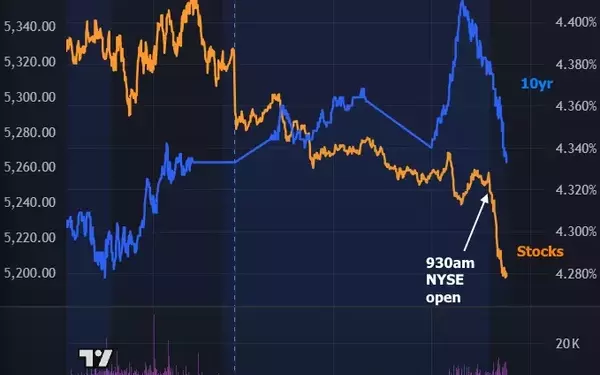
Global trade tensions continue to shape short-term market performance. Tariffs, imposed seemingly without clear rationale, introduce layers of unpredictability. Although President Trump recently announced a temporary moratorium on certain tariffs, affecting products like computers and smartphones, the broader implications remain murky. Such ambiguity keeps investors on edge, contributing significantly to heightened market volatility.
History demonstrates that prolonged tariff disputes often result in adverse consequences for both consumers and businesses. Increased costs cascade through supply chains, ultimately affecting end-users. Additionally, retaliatory measures adopted by trading partners exacerbate the situation, creating a vicious cycle of economic disruption. Consequently, navigating this terrain demands astute analysis and adaptability, qualities essential for sustaining portfolio resilience amidst shifting geopolitical dynamics.
The Tech Sector's Role in Volatility
Technology giants dominate contemporary markets, wielding disproportionate influence. Entering 2025, several leading tech firms traded at inflated valuations, setting the stage for inevitable corrections. Notably, six out of the so-called “magnificent seven” tech stocks underperformed relative to the S&P 500 year-to-date. Factors driving this decline include regulatory scrutiny, exemplified by proposals targeting cryptocurrency usage, alongside persistent inflationary pressures.
Federal reforms, particularly concerning digital currencies, add another layer of complexity. Innovations such as Elon Musk's DOGE project highlight the rapid evolution within this space. While some view these developments optimistically, others express caution regarding potential regulatory backlash. Regardless of perspective, it is evident that technology continues to redefine investment paradigms, necessitating continuous vigilance and informed decision-making.
Navigating Volatility: Opportunities Amidst Challenges
Despite prevailing uncertainties, opportunities abound for discerning investors. The S&P's recent dip, registering a 14% decrease from its February peak, presents a buying window for equities priced attractively. History repeatedly confirms that attempting to time the market seldom yields favorable outcomes. Instead, adopting a disciplined approach centered on acquiring undervalued assets proves far more effective.
In tandem with equity purchases, locking in current bond yields represents another prudent move. Higher yields offer enhanced returns compared to historical averages, making now an opportune moment to reassess fixed-income allocations. Combining these strategies enables investors to harness the strengths of both asset classes, fostering balanced growth while safeguarding against downside risks.