Unofficial results from the Roosevelt Independent School District's $58.5 million bond election indicate strong early voter backing, with nearly 71% of preliminary votes in favor. The proposal, focused primarily on campus infrastructure improvements, reflects the district’s urgent need to address aging facilities. Superintendent Dallas Grimes emphasized that this is a critical moment for growth, as no new academic campus bonds have been approved by the community in over six decades. This initiative aims to modernize outdated structures and accommodate expanding student populations.
Details of the Proposed Bond Package
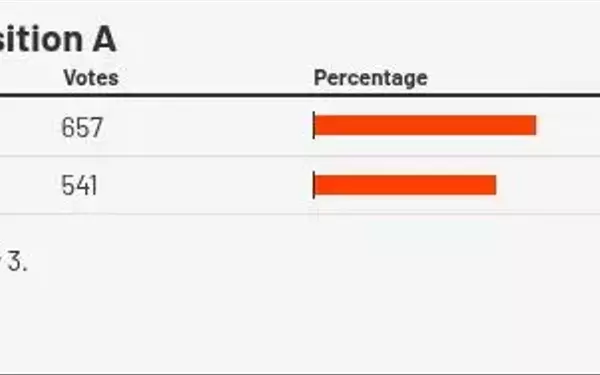
In the heart of West Texas, during a pivotal period for educational development, voters in the Roosevelt Independent School District (RISD) considered an ambitious $58.5 million bond package. According to unofficial results released on election night, Saturday, early voting showed overwhelming support, with approximately 71% favoring the measure. With 339 votes cast in favor versus 139 against, it appears many residents recognize the pressing needs within their schools.
Superintendent Dallas Grimes explained that RISD faces significant challenges due to its antiquated buildings, some dating back nearly a century. Among the proposed projects is the construction of a state-of-the-art elementary school designed to accommodate up to 600 students. This facility would replace the current structure, parts of which were erected in 1935 under Franklin D. Roosevelt's New Deal initiatives. Other enhancements include renovations to the secondary campus dining hall, upgrades to essential utility systems such as septic tanks and sewer lines, and expansions to bus shelter areas.
If approved, implementation will follow a structured timeline beginning 90 days post-election. Grimes anticipates completing all projects within three years, prioritizing vital infrastructure updates like sewer systems to ensure smooth transitions into new constructions.
A key factor driving urgency behind this bond approval lies with Leprino Foods, a recently established factory near Lubbock. Its substantial valuation ensures significant financial contributions toward these improvements, potentially covering half the costs initially. However, delays could lead to depreciation of the plant's value, reducing its ability to offset rising construction expenses.
Perspective and Reflection
From a journalistic standpoint, observing how communities adapt to rapid changes through strategic investments offers valuable insights. Approving the RISD 2025 bond signifies more than just renovating old buildings; it represents a commitment to future generations' education quality and safety standards. For readers, understanding the interplay between local industries and public services highlights the importance of timely decision-making in resource allocation. Whether or not the final tally aligns with early projections, one thing remains clear: addressing infrastructural deficits now lays groundwork ensuring longevity and functionality for decades ahead.