A major financial initiative is underway in Salt Lake City as officials prepare to issue a substantial $900 million bond sale aimed at revitalizing the downtown area. The funds will primarily support renovations to the Delta Center, transforming it into a versatile sports venue capable of hosting both professional basketball and hockey events. This development marks a significant step forward for the city's infrastructure and entertainment landscape.
Central to this project is the enhancement of the Delta Center, which has been under new ownership since 2020. Smith Entertainment Group acquired the facility after purchasing the Utah Jazz basketball team and subsequently brought the Utah Mammoth hockey team to the city from Arizona. A newly enacted state law in 2024 facilitated the issuance of these bonds by allowing an increase in the local sales tax rate to fund arena upgrades and related infrastructure improvements over a 30-year period. In October, the city council approved a 0.5% sales tax hike specifically designated for this purpose, projecting total revenue generation of approximately $1.2 billion.
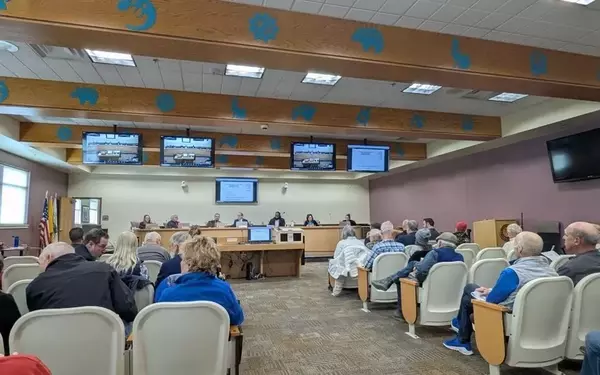
Beyond the immediate goals of upgrading the Delta Center, broader ambitions include establishing a vibrant district dedicated to sports, entertainment, culture, and conventions. To achieve this vision, the city council established a public infrastructure district covering ten acres in April, appointing a board of trustees to oversee the bond issuance process. Structured across three series—A, B, and C—the bonds offer varying maturities ranging from 2026 to 2055, ensuring flexibility in repayment schedules while attracting diverse investor interest.
This ambitious plan underscores the potential for Salt Lake City to become a premier destination for professional sports and cultural activities. By investing in modern facilities and enhancing urban infrastructure, the city aims not only to support its existing teams but also to attract future opportunities such as hosting international events like the Winter Olympics in 2034. Such initiatives highlight the importance of strategic planning and community collaboration in fostering economic growth and improving quality of life for residents and visitors alike.