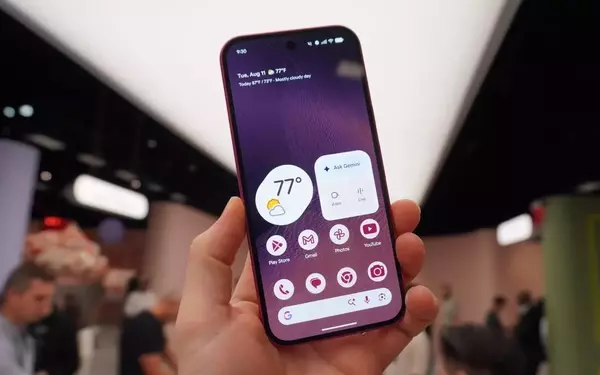
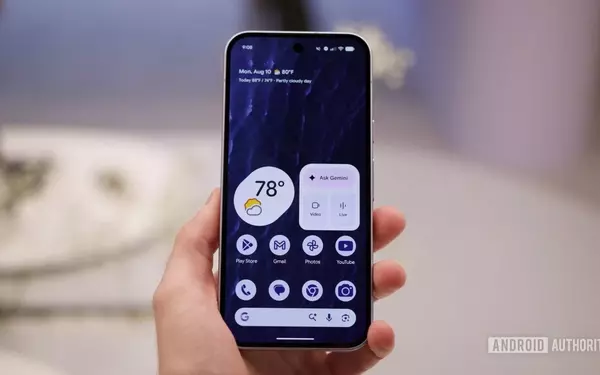
Samsung's latest foldable smartphone series, comprising the Galaxy Z Fold 8 and the Z Fold 8 Ultra, has generated considerable discussion among tech enthusiasts. While the Ultra variant boasts superior specifications, a recent user poll highlights an unexpected consumer preference. The standard Z Fold 8, with its innovative wider and shorter design, has emerged as the favored choice for many, underscoring a growing demand for enhanced portability and comfortable media consumption on foldable devices. This preference exists despite the Z Fold 8's compromises in camera technology and battery capacity, suggesting that a compelling form factor can outweigh a raw spec sheet for a significant portion of the market.
The survey results reveal a clear consumer inclination towards the Galaxy Z Fold 8's revamped design, even when compared to the feature-rich Z Fold 8 Ultra, which is only marginally more expensive. This trend challenges the conventional wisdom that users would always opt for the most powerful and feature-laden device if the price difference is minimal. Instead, the poll indicates a strong appreciation for practical design elements that improve daily usability, such as a more ergonomic and pocketable form. This signals a potential shift in the foldable phone market, where user experience and design innovation are becoming increasingly crucial differentiators.
The Unexpected Triumph of the Galaxy Z Fold 8's Design
A recent survey has underscored a strong preference among consumers for the standard Galaxy Z Fold 8, primarily due to its innovative design. Launched alongside the more premium Z Fold 8 Ultra, the Z Fold 8 features a notably wider and shorter form factor, making it more comfortable to hold and better suited for media viewing. This design, which also contributes to a thinner and more pocket-friendly profile, has resonated deeply with a significant portion of the user base. Despite offering fewer rear cameras, a smaller battery, and a less robust screen compared to its Ultra counterpart, the Z Fold 8's ergonomic advantages have propelled it to the forefront of consumer interest. This suggests that for many users, practical usability enhancements derived from a thoughtful design are more influential than raw technical specifications when selecting a high-end foldable device.
The poll, which specifically queried whether the Z Fold 8 Ultra rendered the Z Fold 8 redundant for a mere $200 price difference, found that nearly 60% of respondents believed the Z Fold 8's thinner and wider design was a compelling reason for its purchase. This sentiment was echoed in numerous comments from readers, who highlighted the superior media consumption experience and improved handling of the Z Fold 8. One user even noted that the new design was a primary factor in their decision to switch from a long-standing iOS ecosystem. This strong positive reception for the Z Fold 8's form factor indicates that Samsung's strategic design modification has effectively met a previously unfulfilled demand in the foldable market, demonstrating that a focus on user comfort and everyday practicalities can yield substantial dividends.
Navigating the Foldable Market: User Priorities and Future Trends
The survey results not only illuminate current consumer preferences but also offer valuable insights into the evolving landscape of the foldable smartphone market. While a quarter of respondents still favored the Z Fold 8 Ultra for its comprehensive feature set, the overwhelming support for the Z Fold 8's design suggests a nuanced consumer base. These users are actively seeking devices that balance cutting-edge technology with practical, everyday usability. The willingness to compromise on certain specifications for an improved form factor underscores a maturing market where design innovations are gaining parity with, if not surpassing, the allure of sheer power and advanced features. This trend might influence future development cycles, pushing manufacturers to prioritize user-centric design alongside technological advancements.
The debate between the Z Fold 8 and Z Fold 8 Ultra also brought to light varying perspectives on value and necessity. Around 13% of voters felt that the two models were too similar in their core concepts to warrant a definitive choice between them, indicating that for some, the distinctions were not pronounced enough to sway a decision. Furthermore, a small but notable 3% of participants expressed their intent to bypass both Samsung offerings, potentially holding out for forthcoming foldable devices from other manufacturers, such as Apple. This diverse range of opinions highlights the dynamic nature of the foldable phone segment, where different users prioritize different aspects—from innovative design and robust features to anticipated future releases—making it a highly competitive and exciting area within the broader mobile technology industry.