In a significant development for the insurance sector, Italian financial services powerhouse Unipol has reportedly finalized a €300 million aggregate reinsurance agreement. This proactive measure is designed to shield the company from the financial volatility caused by numerous smaller natural disaster and meteorological events. This deal highlights a growing trend within the reinsurance market, signaling a renewed willingness from capital providers to offer such comprehensive coverage.
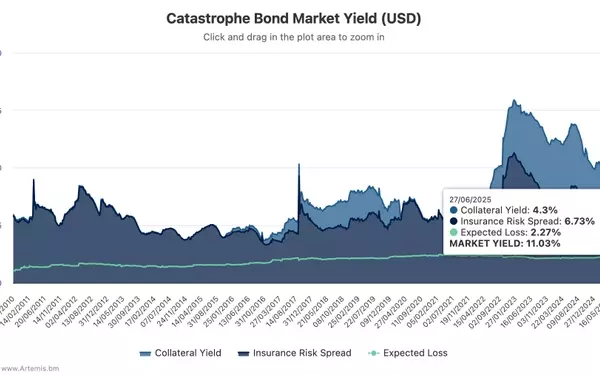
Aggregate reinsurance, which pools together multiple smaller losses over a period, has historically been challenging to secure, particularly following periods of market hardening like that observed after 2022. During these times, reinsurers’ willingness to underwrite aggregate risks diminished, leading to increased costs for such protections. However, 2025 has seen a notable reversal, with these covers becoming more readily available and economically viable. The catastrophe bond market, in particular, has emerged as a key facilitator for annual aggregate protection. European insurers are increasingly finding receptive reinsurers and insurance-linked securities (ILS) capital willing to provide aggregate coverage, demonstrating a more accommodating market environment.
An analyst report from Berenberg, following discussions with Unipol executives, confirms the details of this pivotal acquisition. The €300 million aggregate catastrophe reinsurance limit, finalized in May, activates once Unipol's cumulative losses from weather and smaller catastrophic events exceed a €350 million retention threshold. Importantly, this aggregate treaty specifically addresses events costing less than €100 million, while Unipol's existing primary catastrophe reinsurance will continue to cover larger, more severe incidents. This tailored protection spans both motor and non-motor segments of Unipol’s business. While capital remains judicious, ensuring high deductibles and relatively constrained limits, the resurgence of appetite for aggregate covers signifies a positive shift. This type of protection is vital for safeguarding earnings, enabling insurers to maintain profitability even in years marked by frequent, albeit individually modest, loss occurrences. Recent transactions by global insurer Zurich and Bermuda-based Conduit Re further underscore this trend, with a substantial portion of in-force catastrophe bond limits currently allocated to aggregate reinsurance, reflecting sustained interest and a stable pricing environment.
The increasing availability of aggregate reinsurance signifies a maturing market capable of adapting to evolving risk landscapes. This trend not only benefits individual insurers by enhancing their financial stability and predictability but also contributes to the overall resilience of the insurance ecosystem. By strategically mitigating the impact of recurrent smaller losses, companies can better allocate resources, foster innovation, and ultimately provide more reliable and affordable protection to policyholders. This proactive approach to risk management reflects a commitment to long-term sustainability and a healthier financial future for all stakeholders.Related Articles