Decoding the President's Investment Moves: A Bond Market Focus
In the ever-shifting landscape of global finance, the president's investment preferences have come under scrutiny. His pronounced tilt toward bonds as opposed to stocks has sparked debates about whether personal finances shape policy choices, especially in pivotal moments like the recent tariff pause.
Exploring the President's Bond Holdings
An in-depth analysis by a reputable source reveals that the president had a staggering amount invested in bonds last year. This sum ranged from $125 million to approximately $443 million, significantly overshadowing his stock market exposure. The preference for bonds suggests a calculated approach, prioritizing stability and predictable returns over the volatility often associated with equities.
Bonds are traditionally viewed as safer investments, offering regular interest payments and lower risk compared to stocks. For an investor with extensive holdings, the allure of bonds lies in their ability to cushion against market turbulence. In this context, the president's substantial bond investments align with a strategy aimed at preserving capital amidst economic uncertainties.
Stock Market Exposure and Social Media Ventures
Despite the emphasis on bonds, the president does maintain a significant stake in Trump Media & Technology Group, a publicly traded entity focused on social media. Valued at around $2 billion, these shares represent a critical component of his financial empire. However, unlike his bond investments, he has expressed no intention to divest from this venture, signaling confidence in its long-term potential despite recent declines.
The company's stock performance, marked by a 40 percent drop earlier this year, underscores the inherent risks of equity investments. Yet, the president remains undeterred, possibly viewing this setback as a temporary blip rather than a fundamental flaw in the business model. Such resilience reflects a broader belief in the transformative power of technology and media in shaping modern economies.
Tariff Decisions and Market Reactions
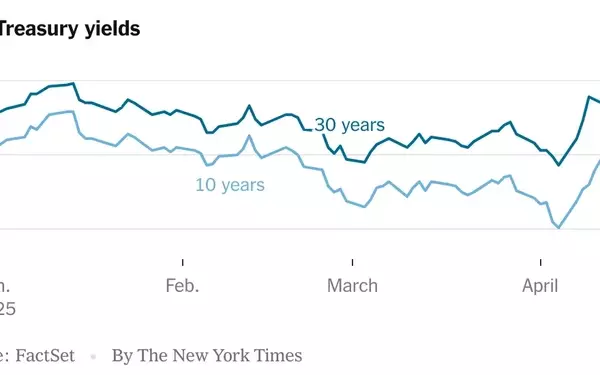
The decision to temporarily halt punitive tariffs on certain countries, excluding China, emerged amid growing concerns about their impact on both stock and bond markets. Initially unfazed by the stock market's sharp decline following the tariffs, the president's stance shifted when similar anxieties surfaced in the bond market. This shift highlights the interconnected nature of global financial systems, where disruptions in one sector can reverberate across others.
On April 9, the specter of weakened faith in U.S.-backed assets as a safe haven compelled a recalibration of tariff strategies. Recognizing the potential ramifications for his own bond investments, the president opted for a cautious approach, pausing the most severe import taxes for 90 days. This move exemplifies the delicate balance between safeguarding national interests and protecting personal financial stakes.
Implications for Economic Policy and Beyond
This episode offers valuable insights into how personal financial considerations might intersect with public policy decisions. By prioritizing bonds, the president demonstrates a commitment to stability and risk mitigation, traits that could inform broader economic strategies. Furthermore, it raises important discussions about transparency and accountability in leadership roles, where private interests may inadvertently influence official actions.
As the global economy continues to evolve, understanding the motivations behind such decisions becomes increasingly crucial. Whether driven by personal gain or genuine concern for economic stability, the interplay between individual portfolios and national policies warrants careful examination. This scrutiny not only enhances transparency but also fosters trust in governance structures.