Stay Ahead with Real-Time Insights into the World of AI and Quantum Computing
GTC is not just another tech conference; it represents a convergence of ideas that shape the future of technology. As we delve deeper into what lies ahead, the focus remains on transformative technologies such as artificial intelligence, quantum computing, and advanced chip architectures. This article provides an in-depth exploration of these topics, offering readers unparalleled insights into the innovations driving our digital age.
The Dawn of Blackwell Ultra: A New Era in GPU Technology
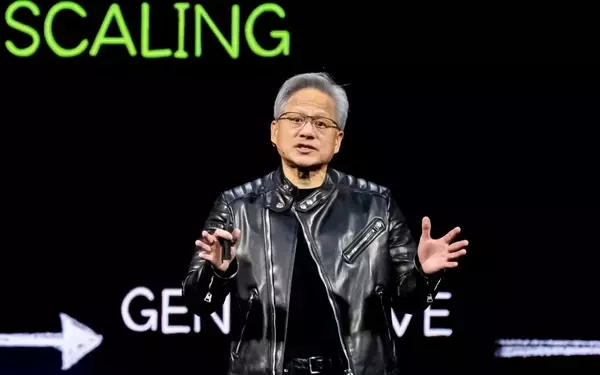
As anticipation builds around Nvidia CEO Jensen Huang's keynote address, expectations are high for revelations concerning the next flagship GPU series, Blackwell Ultra. This cutting-edge technology is poised to revolutionize performance benchmarks across multiple sectors, from gaming to data centers. Designed with precision and innovation, Blackwell Ultra signifies a leap forward in computational power and efficiency.
Industry experts predict that the integration of Blackwell Ultra into existing systems will significantly enhance processing capabilities. Its architecture supports real-time rendering and complex simulations, making it indispensable for professionals working in fields requiring high computational demands. Furthermore, its energy-efficient design aligns with global sustainability goals, positioning it as a leader in eco-conscious technology solutions.
Rubin Chip Architecture: Pioneering Next-Generation Computing
Beyond GPUs, the Rubin chip architecture stands out as another focal point during this year's GTC. Known for its versatility and scalability, Rubin promises to cater to diverse application needs ranging from consumer electronics to industrial automation. By optimizing resource allocation and enhancing parallel processing, Rubin sets new standards in semiconductor technology.
This innovative architecture leverages advanced fabrication techniques to deliver superior performance while minimizing power consumption. Analysts suggest that Rubin could play a crucial role in accelerating advancements in edge computing and IoT devices, thereby fostering smarter and more interconnected environments. Its adaptability ensures compatibility with emerging technologies, reinforcing its potential impact on various industries.
Automotive and Robotics: Driving Towards Autonomous Futures
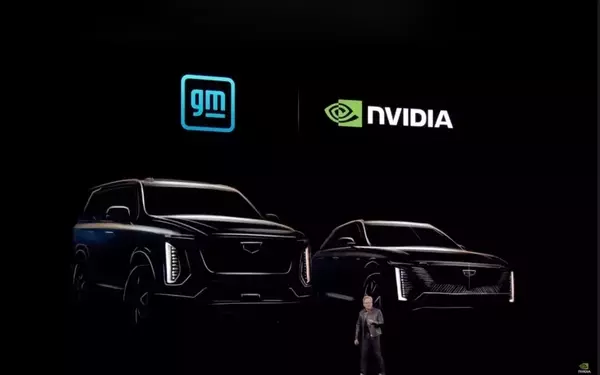
In addition to hardware innovations, GTC highlights Nvidia's commitment to advancing automotive and robotics technologies. These domains exemplify the synergy between software and hardware, where AI-driven algorithms enable autonomous vehicles and intelligent robots to perform tasks previously unimaginable. The implications span beyond convenience, touching upon safety, productivity, and environmental conservation.
Through collaborations with leading automakers and robotics manufacturers, Nvidia continues to refine its platforms tailored for these sectors. Enhanced perception systems powered by deep learning models allow vehicles to navigate challenging terrains accurately, while robotic assistants contribute to improving operational efficiencies in manufacturing settings. Such advancements underscore the importance of integrating AI seamlessly into everyday life.
Artificial Intelligence: Redefining Possibilities Across Industries
No discussion about GTC would be complete without addressing the profound influence of AI. From customizing large language models efficiently to exploring generative AI applications within banking infrastructure, the scope of AI utilization continues to expand exponentially. Workshops featured at GTC aim to equip participants with tools necessary to harness AI's full potential responsibly.
Moreover, specialized datasets curated specifically for niche areas like biological research empower scientists to accelerate discoveries through machine learning methodologies. These resources democratize access to sophisticated analytical frameworks, enabling breakthroughs previously hindered by traditional limitations. As AI becomes increasingly integral to business operations worldwide, understanding its nuances becomes essential for sustained competitive advantage.
Quantum Computing: Bridging Horizons Between Classical and Quantum Paradigms
Another highlight scheduled during GTC includes "Quantum Day," dedicated exclusively to exploring recent strides made in quantum computing. While still nascent compared to classical counterparts, quantum computing holds immense promise for solving problems deemed impractical using current methods. Nvidia's involvement in this space demonstrates foresight towards embracing disruptive innovations early.
By developing frameworks compatible with both classical and quantum paradigms, Nvidia facilitates smoother transitions as organizations adopt hybrid approaches incorporating elements from each domain. Educational sessions offered throughout Quantum Day provide foundational knowledge alongside practical demonstrations illustrating how quantum principles apply today's challenges. Such initiatives foster collaboration among researchers globally, propelling collective progress forward.