The World Soundtrack Awards (WSA) has unveiled its highly anticipated nominees for the "Discovery of the Year" prize, celebrating five exceptional composers who are redefining the landscape of film music. This prestigious award consistently identifies burgeoning talent, with past recipients like Gustavo Santaolalla, Michael Giacchino, and Nicholas Britell eventually becoming influential figures in the industry. The 2026 cohort, including Mari Fukuhara, Paris Hurley, Hannah Peel, Kangding Ray, and Sam Slater, continues this tradition of spotlighting visionary artists whose diverse creative journeys and innovative techniques are profoundly impacting contemporary cinema. Their work showcases a broad spectrum of musical styles and a deep understanding of storytelling through sound, promising to leave a lasting mark on the art form.
These nominees exemplify a new generation of film composers who are not only skilled musicians but also astute collaborators, often integrating their unique artistic voices into the very fabric of the cinematic narrative. From early involvement in project development to exploring the nuanced interplay between sound design and music, their methods demonstrate a commitment to pushing the expressive capabilities of film scores. Their individual stories reveal how unconventional paths and profound personal connections to music can lead to groundbreaking contributions in the realm of visual storytelling, making them worthy contenders for one of the most significant accolades in film music.
Emerging Voices in Film Scoring
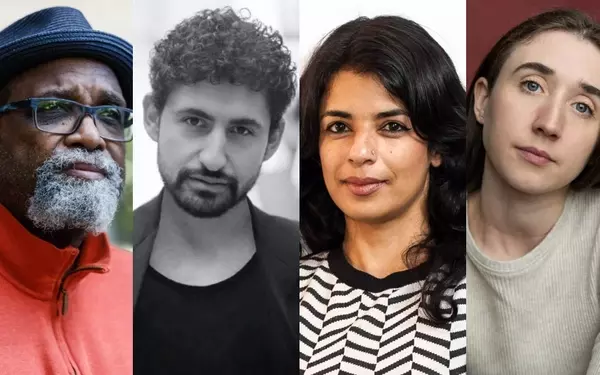
The World Soundtrack Awards' "Discovery of the Year" category consistently identifies and champions innovative composers who are poised to leave a significant mark on the film industry. This year's nominees—Mari Fukuhara, Paris Hurley, Hannah Peel, Kangding Ray, and Sam Slater—each bring a distinctive background and creative philosophy to their craft, reflecting the evolving nature of cinematic sound. These artists are recognized not just for their technical prowess but for their ability to imbue narratives with emotional depth and originality through their musical compositions.
Mari Fukuhara, with her blend of classical training and jazz influences, began her journey into film music organically, initially approached for licensing before becoming an integral part of "Little Amélie or the Character of Rain" from its pilot stage. Her focus on capturing a child's perception of reality through music highlights her nuanced approach to storytelling. Paris Hurley, a classically trained violinist, transitioned from acclaimed autobiographical live projects to film, driven by her music's inherent cinematic quality and a profound physical connection to sound, as evidenced by her work on "The Chronology of Water." Hannah Peel, who defied traditional classical music pathways, found her niche in balancing acoustic and electronic textures, notably scoring projects like Netflix's "Assassin's Creed" and emphasizing unique sound world creation. Kangding Ray, an architect by training, evolved from Berlin's experimental electronic scene to film, developing an early, script-driven collaborative process for films like "Sirāt" and embracing the power of silence in his scores. Finally, Sam Slater, a self-described "studio nerd," transitioned from sound design for renowned composers to an Emmy-winning career in film and game scoring, exploring the abstract frontiers where sound design and music converge to thrill and challenge conventional definitions.
Innovative Approaches to Cinematic Sound
This year's World Soundtrack Awards nominees are distinguished by their innovative and often unconventional approaches to crafting film scores, demonstrating how diverse backgrounds and artistic philosophies can lead to groundbreaking auditory experiences. Their methods extend beyond traditional composition, embracing new technologies and collaborative processes to deepen the emotional and narrative impact of their projects.
Mari Fukuhara's journey into film scoring for "Little Amélie or the Character of Rain" was characterized by her early involvement, allowing the music to evolve intrinsically with the film's development. This intimate collaboration enabled her to convey the complex inner world of a child, underscoring the film's themes with delicate precision. Paris Hurley’s visceral response to the source material of "The Chronology of Water" led her to create music that aims to physically immerse the audience, reflecting her belief in music as a tangible, transformative experience. Her work explores how sound can envelop and move a listener, making it an integral part of the cinematic journey. Hannah Peel's unique use of a hand-punched paper-strip music box and her expertise in blending acoustic and electronic elements illustrate her commitment to forging distinctive soundscapes. Her current work on Netflix's "Assassin's Creed" exemplifies her dedication to building custom sound worlds that transcend traditional sample libraries, providing an unparalleled sonic signature. Kangding Ray's architectural background informs his structured yet experimental approach to film composition. His deep collaboration with director Oliver Laxe on "Sirāt" from the script phase allowed him to craft a score that is either powerfully present or deliberately absent, emphasizing the dramatic weight of musical moments and the significance of silence. Sam Slater, who initially focused on sound design, has expanded the boundaries between sound and music in his scores for projects like "2000 Meters to Andriivka" and the PlayStation 5 game "Saros." His work delves into the "experimental underbelly" of film music, pushing the palette of non-diegetic sound to create abstract, thrilling expressions of story and emotion, highlighting the exciting evolution of contemporary scoring practices.