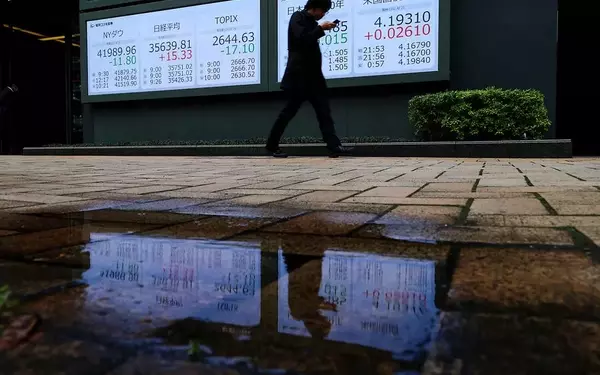
A sudden shift in economic policy has sent ripples through international financial markets, with bond yields becoming a focal point for concern. Recently, the decision to temporarily suspend certain trade tariffs has sparked renewed interest in understanding how these fiscal measures affect global stability. While stock markets initially reacted negatively, the real worry lies in the dynamics of government bonds, which play a crucial role in maintaining economic equilibrium.
Government bonds serve as vital instruments for both corporations and nations seeking to finance large-scale projects or manage budgetary needs. These securities guarantee fixed returns over specified durations, making them attractive to investors looking for predictable income streams. In the United States, treasury bonds are particularly significant due to their association with the world's leading economy. They are traded extensively across global exchanges, influencing not only national economies but also affecting broader financial systems worldwide. As trading conditions fluctuate, so too does the perceived value of these bonds, impacting everything from mortgage rates to corporate borrowing costs.
Despite efforts to stabilize markets, recent developments have highlighted vulnerabilities within the current economic framework. A prolonged trade conflict could exacerbate existing fears about potential recessions, leading to substantial sell-offs in bond markets. This situation poses challenges not just for one nation but for the entire interconnected global economy. By examining past experiences such as those involving former UK Prime Minister Liz Truss, it becomes clear that mismanagement of fiscal policies can lead to dire consequences. Moving forward, policymakers must prioritize sustainable strategies that foster growth while mitigating risks, ensuring long-term prosperity for all stakeholders involved.
The interplay between tariff policies and bond markets underscores the importance of thoughtful economic governance. When decisions impact investor confidence, they ripple outward, affecting everything from national debt levels to consumer borrowing costs. To navigate these complexities successfully, leaders must balance short-term gains with long-term stability, fostering an environment where trust and collaboration thrive. Through responsible leadership and strategic foresight, we can build a more resilient future capable of weathering any storm.