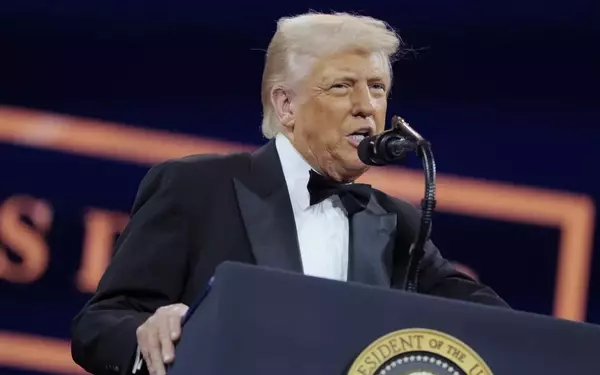
The imposition of President Donald Trump's tariffs on Chinese goods has triggered a wave of economic uncertainty, leading to significant repercussions in global markets. The aggressive tariffs have not only caused a dramatic selloff in U.S. Treasuries and the dollar but also heightened fears of an impending recession. This week, market volatility has reached crisis levels, wiping out trillions in stock value while commodities and emerging markets experience severe downturns.
At the heart of this turmoil lies the unsettling performance of U.S. Treasuries and the dollar, which traditionally serve as pillars of the global financial system. Concerns over the potential for a trade-induced recession have driven investors away from Treasury bonds, causing yields to rise sharply. Meanwhile, the dollar’s decline has accelerated capital flight into alternative safe-havens such as gold and the Swiss franc, exacerbating the broader market sell-off.
Unprecedented Tariffs Spark Market Chaos
The introduction of a staggering 104% tariff on Chinese imports by the United States has set off alarm bells across global financial markets. As these measures took effect, widespread panic ensued, resulting in massive losses for stocks and commodities. Analysts fear that prolonged trade tensions could lead to a full-blown economic downturn, prompting the Federal Reserve to consider rate cuts as a mitigating measure.
This unprecedented trade conflict between the world's largest economies has generated immense uncertainty. Investors are increasingly concerned about the long-term implications of escalating tariffs, with many viewing them as a substantial tax increase on American households and businesses. Consequently, there is growing speculation that China might use its currency as a strategic tool to counteract the impact of these tariffs. This dynamic has further intensified market volatility, driving the S&P 500 into one of its most dramatic reversals in history, erasing nearly $6 trillion in value over just four days.
Safe-Haven Assets Gain Favor Amid Economic Uncertainty
In response to the rising risks associated with U.S. assets, investors are flocking toward traditional safe-haven options like gold and the Japanese yen. The rapid escalation of trade disputes has undermined confidence in both U.S. Treasuries and the dollar, pushing yields upward and undermining their status as reliable refuges during turbulent times. This shift reflects deep-seated concerns regarding the stability of the global financial system amidst mounting geopolitical tensions.
As trust in conventional safe-havens wanes, demand for alternative assets continues to grow. Gold prices have surged significantly, regaining lost ground amid heightened anxiety over the future trajectory of global energy demand. Similarly, currencies such as the Swiss franc and yen have experienced renewed interest, benefiting from their perceived reliability during periods of economic instability. Meanwhile, oil prices have plummeted due to diminished expectations for global energy consumption, underscoring the pervasive influence of trade tensions on diverse sectors of the economy. These developments highlight the far-reaching consequences of current trade policies and underscore the urgent need for resolution to restore investor confidence worldwide.