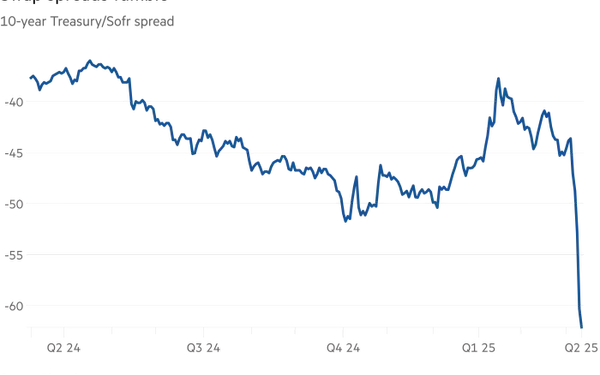
In a surprising twist, the traditionally safe-haven U.S. Treasuries experienced heightened selling pressure amid global market uncertainty triggered by escalating tariffs. Typically sought after during periods of economic unrest, these bonds are now witnessing an unusual decline in demand, causing yields to soar. This phenomenon has not only shaken investor confidence but also raised concerns about the broader implications for global economies and central bank policies.
A Closer Look at the Market Disruption
In the heart of a tumultuous autumn, financial markets faced a dramatic shift as investors began abandoning their usual safe assets. On Wednesday, U.S. Treasuries endured significant selling pressure, with ten-year yields climbing 44 basis points to 4.44% within just a week—a surge not seen since 2001. The dollar, another traditional refuge, weakened against other currencies, signaling a loss of trust in the world's largest economy.
This upheaval was driven by the implementation of the highest U.S. tariffs in over a century, prompting forced liquidations and a rush for cash. The turmoil rippled through the $29 trillion Treasury market, increasing borrowing costs globally and pressuring central banks to act swiftly to shield economies from potential slowdowns. President Trump defended his tariff strategy, including imposing a staggering 140% levy on Chinese goods, despite growing domestic and international backlash.
Japan pledged cooperation with the G7 and IMF to stabilize markets, while long-term bond yields surged worldwide. For instance, Japan’s 30-year government bond hit 21-year highs, and Britain’s reached levels unseen since 1998. Meanwhile, German 10-year bonds remained stable. Hedge funds intensified selling in long-dated bonds, pushing 30-year Treasury yields up by 53 basis points over three days—the most significant increase since 1982.
Potential Implications and Insights
From a journalistic perspective, this situation underscores the interconnectedness of global markets and the ripple effects of protectionist trade policies. Rising government borrowing costs could permeate into corporate loans and mortgages, potentially harming businesses and households. Analysts suggest that the Federal Reserve might need to adopt measures akin to those used during past crises, such as cutting interest rates or establishing targeted lending facilities.
Some experts warn of long-term shifts in global trade flows, which could reduce foreign demand for U.S. debt or even lead to large-scale selling by foreign holders. Soft demand for recent Treasury auctions further amplifies concerns about future sales. In conclusion, this episode highlights the fragility of financial stability and the importance of strategic policy decisions to mitigate adverse impacts on both national and global scales. As markets navigate these turbulent times, adaptability and foresight will be crucial for restoring investor confidence.